


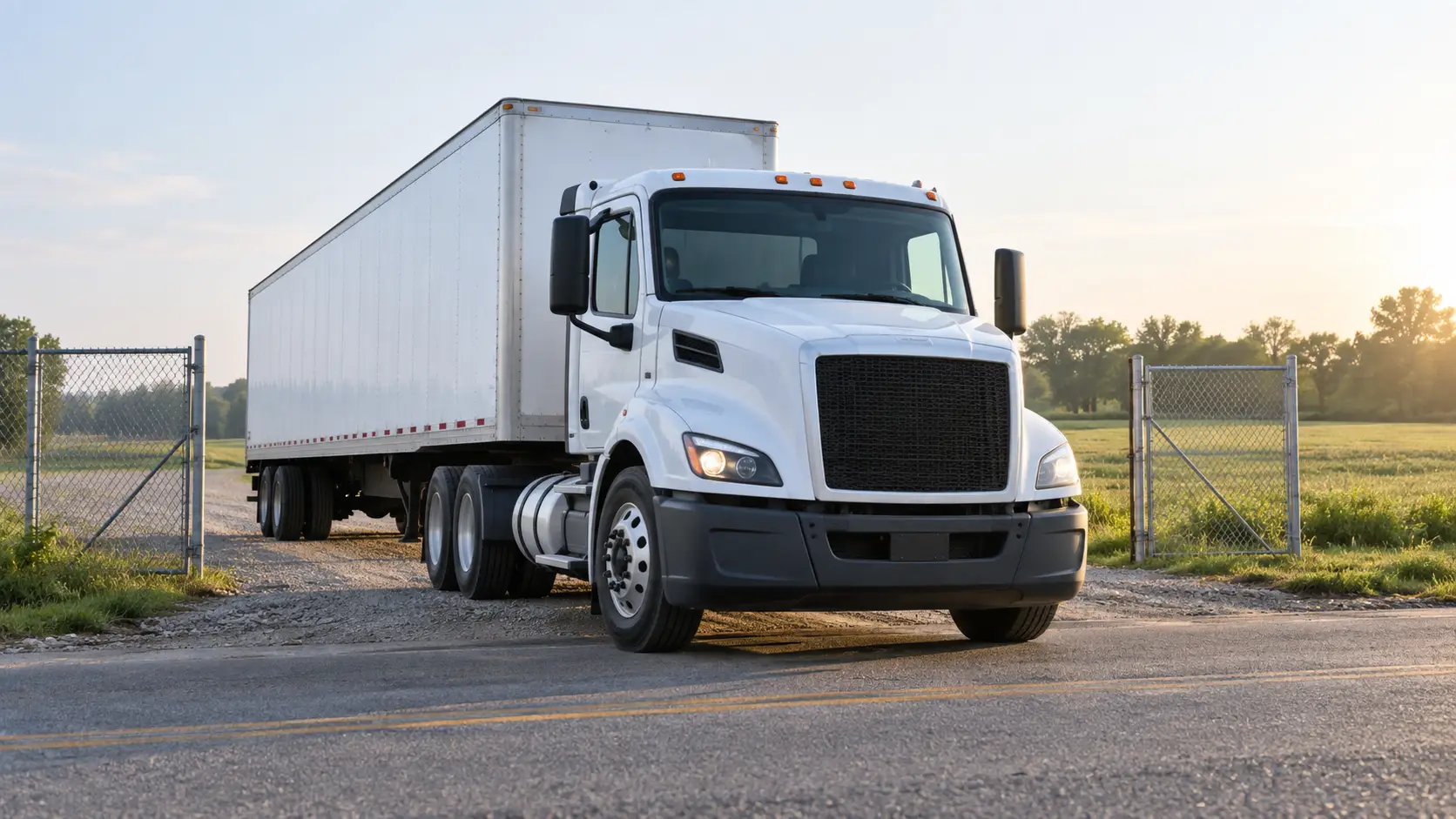
The load is delivered, the paperwork is clean, and the money is still weeks away. That gap is where most new trucking companies feel the squeeze — fuel and payroll do not wait for a broker’s payment terms.
Freight factoring exists for exactly that gap. You sell an invoice you have already earned, and the factor advances you most or all of it — up to 100% advance, potentially the same business day once your account is set up.
Factoring is not a loan
This is the part that surprises people: there is no loan balance and no repayment schedule. The factor collects from the broker or shipper when the invoice comes due. Because of that, approval leans on your customer’s credit — not on how long your authority has existed. That is why a brand-new authority can qualify when a bank would say no.
Recourse vs. non-recourse
The single most important line in a factoring agreement is what happens if the broker never pays.
- Recourse — if the customer does not pay, the invoice comes back to you. Fees are usually lower.
- Non-recourse — the factor absorbs qualifying non-payment. Fees are usually higher, and the definition of “qualifying” matters.
Neither is automatically better. A fleet hauling for well-known brokers may happily take recourse pricing; an operator taking on new customers may want the protection.
Questions to ask before you sign
- Is the agreement all-in, or can I choose which invoices to factor?
- What does the broker credit check look like, and can I run one before I book a load?
- Are there minimum volume commitments or termination fees?
- How is the reserve handled, and when is it released?
A factoring agreement is a working relationship, not a one-time transaction. Five minutes of questions before signing beats five months of surprises after.
Ready to look at programs? Start with the factoring page or check your options — no obligation, no hard credit pull.