


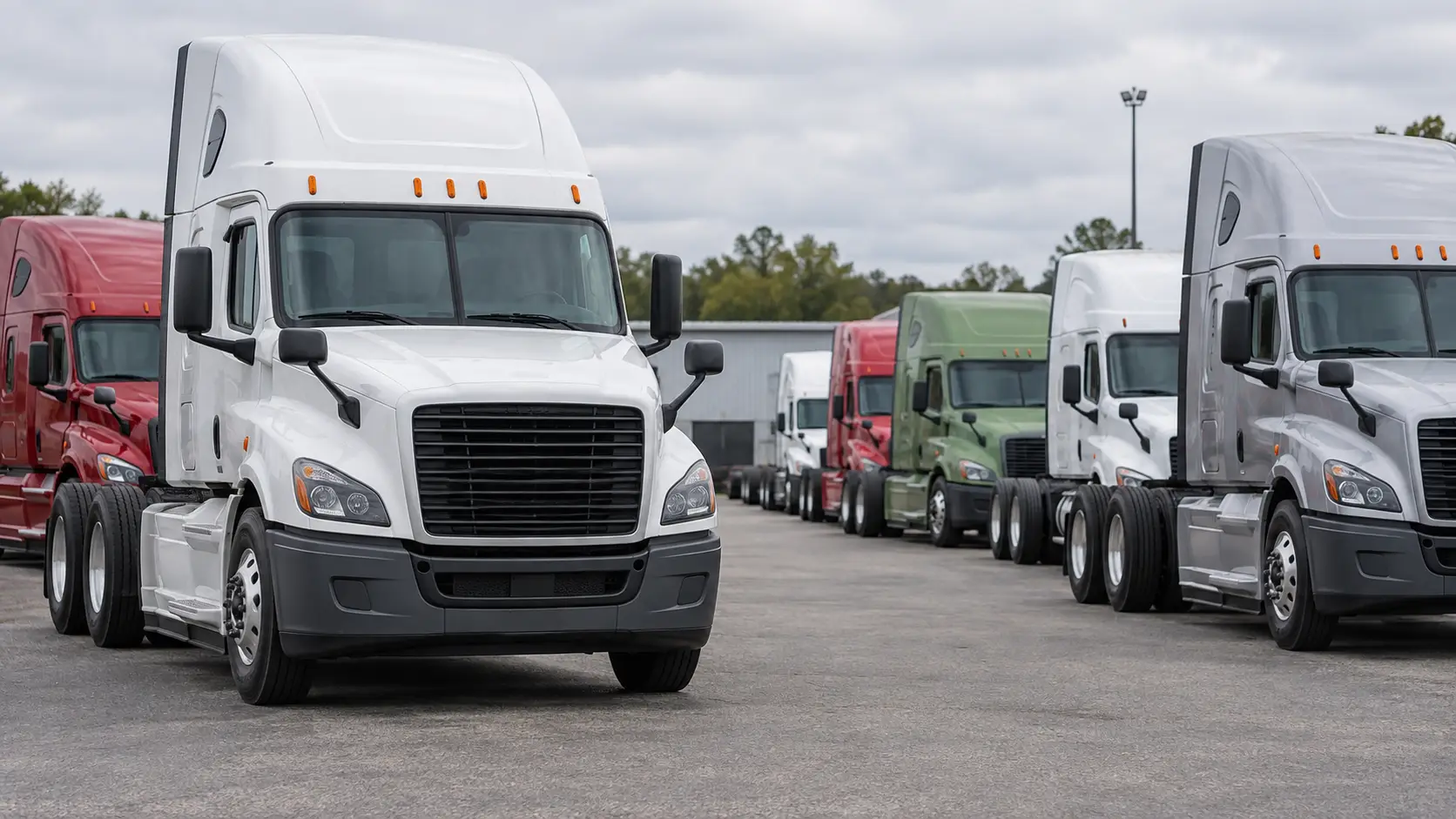
Some of the best used trucks never touch a dealer lot. They pass from one owner-operator to another — well maintained, honestly described, and priced without the lot overhead.
Plenty of lenders will not touch those deals. It is not because the trucks are worse; it is because the paperwork is more work. That is the whole difference, and it is solvable.
What changes when there is no dealership
- Title verification — someone has to confirm the seller actually owns the truck and the title is clean.
- Lien payoff — if the seller still owes on the truck, their lender gets paid first, directly, before anything changes hands.
- Bill of sale and inspection — the transaction needs documentation a dealership would normally generate.
None of that is exotic. It is closing work — the same steps a title company does for a house, scaled to a truck. When it is handled properly, the buyer, the seller, and the lender all walk away protected. The private party truck financing page lays the sequence out in full, including the six things that most often stall a closing.
How the financing side works
Equipment financing covers private-party purchases the same way it covers dealer inventory: the asset secures the deal. What the funding partner wants to see is the truck’s condition and history, your business profile, and clean transaction paperwork.
Decisions typically come back within 24 hours of a complete application, and one application reaches a network of more than 40 lender partners — including the ones that are comfortable with owner-to-owner transactions.
A practical checklist before you commit
- Ask the seller for the title and, if there is a loan on the truck, the lender’s payoff information.
- Get the VIN and run the history — hours, accidents, previous use.
- Agree in writing on price and what is included (APU, extra tanks, chains, straps).
- Line up financing before you hand over a deposit.
Found the right truck in someone’s yard instead of a showroom? See how a private-party closing runs — step by step, including the title and payoff work. It is a normal deal here, not an exception.