


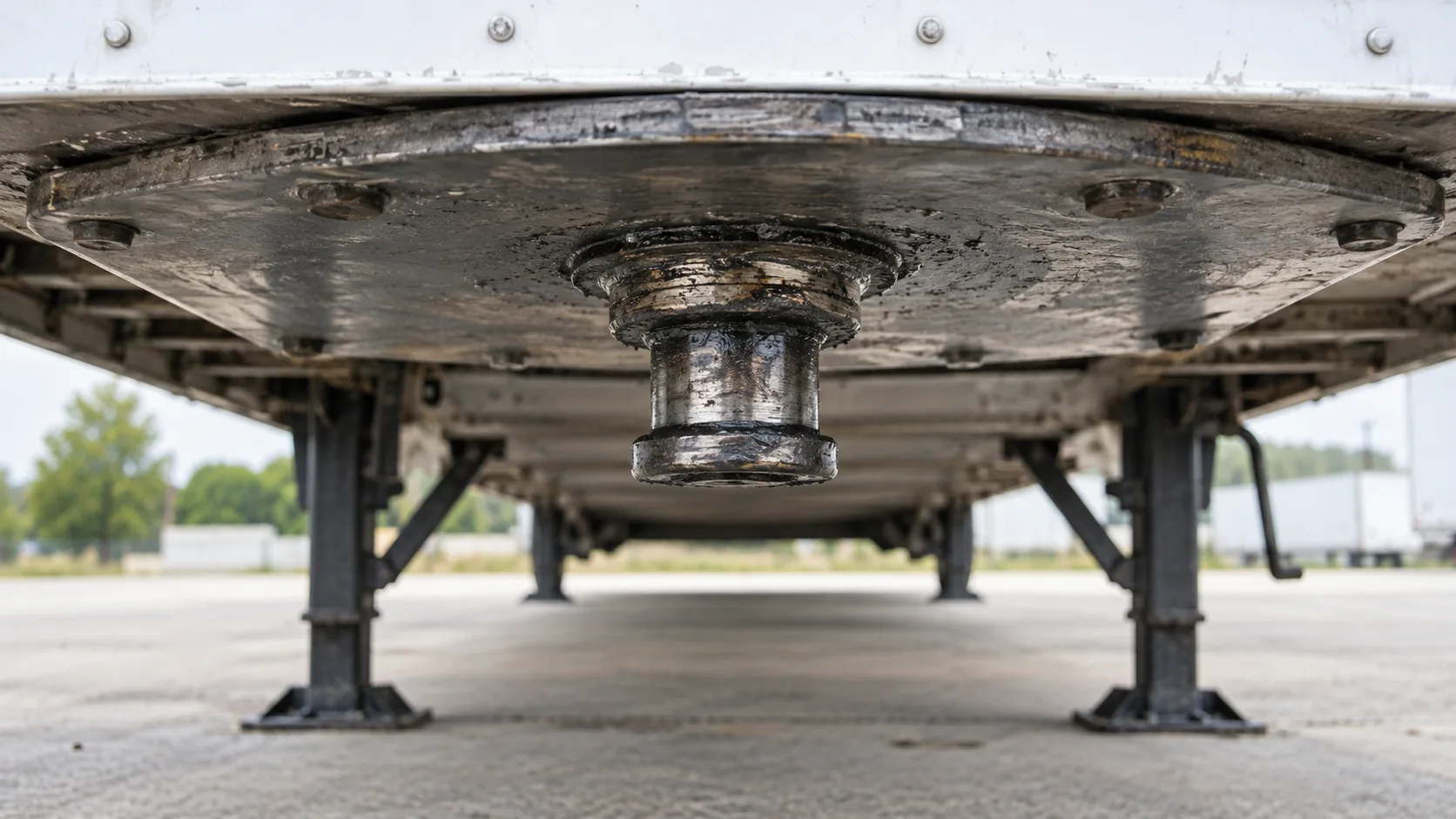
Yes. A commercial trailer is a titled, serialized asset, so it can be financed on its own; you do not have to finance a tractor in the same request. What changes is the structure: whether a tractor is part of the purchase, and what the trailer will run behind.
The trailer financing page covers the product. This article is about the decision behind it: when a standalone request fits, when to bundle, and what a lender reads on a trailer that it does not read on a truck.
Why a trailer can stand on its own
A trailer has a VIN, a title, a make, a model and a model year, so a lender can identify it and put a value on it without a tractor attached to the paperwork. That is why equipment financing treats a trailer as an asset in its own right rather than as an accessory to a truck.
The practical effect is timing. A trailer purchase can happen when a lane or a customer calls for the capacity, without waiting until the day you replace the truck. It also means the trailer is judged on its own merits: its condition, its identity and the business buying it.
Standalone or bundled: which one fits
The question is not whether a trailer qualifies. It is whether you are buying the tractor in the same transaction.
- Trailer only. Fits when you already own the truck and need capacity behind it: a second trailer for drop-and-hook, a reefer to add a lane, a flatbed for a new customer. The collateral is the trailer, and the paperwork is one VIN and one title.
- Tractor and trailer together. Fits when you are buying both units at once. One application covers both, the funding partner structures them as one deal, and the paperwork is two VINs and two titles.
The mistake to avoid is a request that does not say which case it is. Spell out what is being bought and what is already yours, and the structure that comes back is built for that situation. If the tractor is part of the purchase, semi truck financing covers that side of it.
Four questions settle it before you send anything:
- Is the tractor already yours, or is it part of this purchase?
- Is the trailer coming from a dealer or from another owner?
- If it is a reefer, do you have the refrigeration unit’s details?
- Are you adding one trailer, or several?
What a lender looks at on a trailer
The business file is the same one every equipment request has: an Inc. or an LLC with at least two years of operating history, and recent business bank statements. What is specific to a trailer is the asset itself:
- Type, length, model year and VIN
- Condition — the doors and floor on a dry van, the deck on a flatbed
- On a reefer, the refrigeration unit: its make, its hours and its service history
- What is included in the sale, such as straps, chains, tarps or a spare
- The tractor it will run behind, and whether that truck is already yours
The last point surprises people. A trailer earns only when something pulls it, so the tractor is part of the picture even on a trailer-only request.
Equipment financing is built for incorporated businesses with at least two years of operating history. If yours is younger, or is not yet an Inc. or LLC, the trailer may have to wait. If you already haul freight, freight factoring is worth a look in the meantime: approval leans on who owes you, not on how long you have been running.
Trailer types and what each one adds
The application does not change with the type of trailer. What the review looks at does.
- Dry van: year, length, doors and floor condition
- Reefer: the trailer and the refrigeration unit together, so bring the unit’s hours and service history with the VIN
- Flatbed, step deck and drop deck: deck condition, and the securement equipment that comes with the trailer
- Lowboy: the capacity rating and the condition of the gooseneck
Campers, horse trailers, boat trailers and other utility or recreational trailers are outside this product. This is commercial equipment financing for business use.
New, used, or from another owner
A used trailer is an ordinary purchase. Age and condition shape which funding partners respond and what structure comes back, the same way they do on a truck, and used truck financing goes into how.
Buying from another owner instead of a dealer adds the same steps as it does on a truck: the seller is verified, the title is read, and any loan on the trailer is paid off to the lienholder before the title moves. The checklist is in what documents you need to buy a truck from a private seller, and it applies to a trailer the same way.
Down payment, rates and terms
The down payment is set by the funding partner after it reviews the trailer and your business profile, and it comes back with the rest of the structure. A fixed percentage quoted before that review is only a guess.
The numbers on a trailer are the ones that apply across this product: rates from 8% to 13% based on qualifications, and terms from 36 to 72 months, set by the funding partner. Whether the trailer is the whole request or half of it, it is the same application.
What to send with the request
A complete request is the fastest route to a decision. For a trailer that means:
- Legal entity name and EIN, plus the MC / DOT number if you run under your own authority
- The last three months of business bank statements
- The trailer’s type, length, model year and VIN, with the bill of sale or dealer invoice
- On a reefer, the make, hours and service history of the unit
- From a private seller: the title, front and back, and lienholder and payoff details if a loan is still on the trailer
The general version of this list is in the documents lenders actually want to see. Decisions typically come back within 24 hours of a complete application, and funding typically follows within 2–5 business days.
Pricing a trailer now? See how trailer financing works or check your options — one application to 40+ lender partners, soft credit pull only, no obligation.